
On Sunday, February 22, as part of BC Heritage Week, the Archives will be participating in the Vancouver Heritage Foundation’s 9th annual Community Fair at Heritage Hall. The theme for this year is ‘Stir the Pot’. With that in mind, we thought it a great excuse to have a look at some of the culinary records in our holdings and to have fun in our own kitchens creating some of these recipes, while reflecting on how ‘food connects with memory, advocacy and meaning’.
Our previous post stirred a pot from the 1880s; this post documents Archival Assistant Christine’s experiments.
Chocolate Potato Cake?!
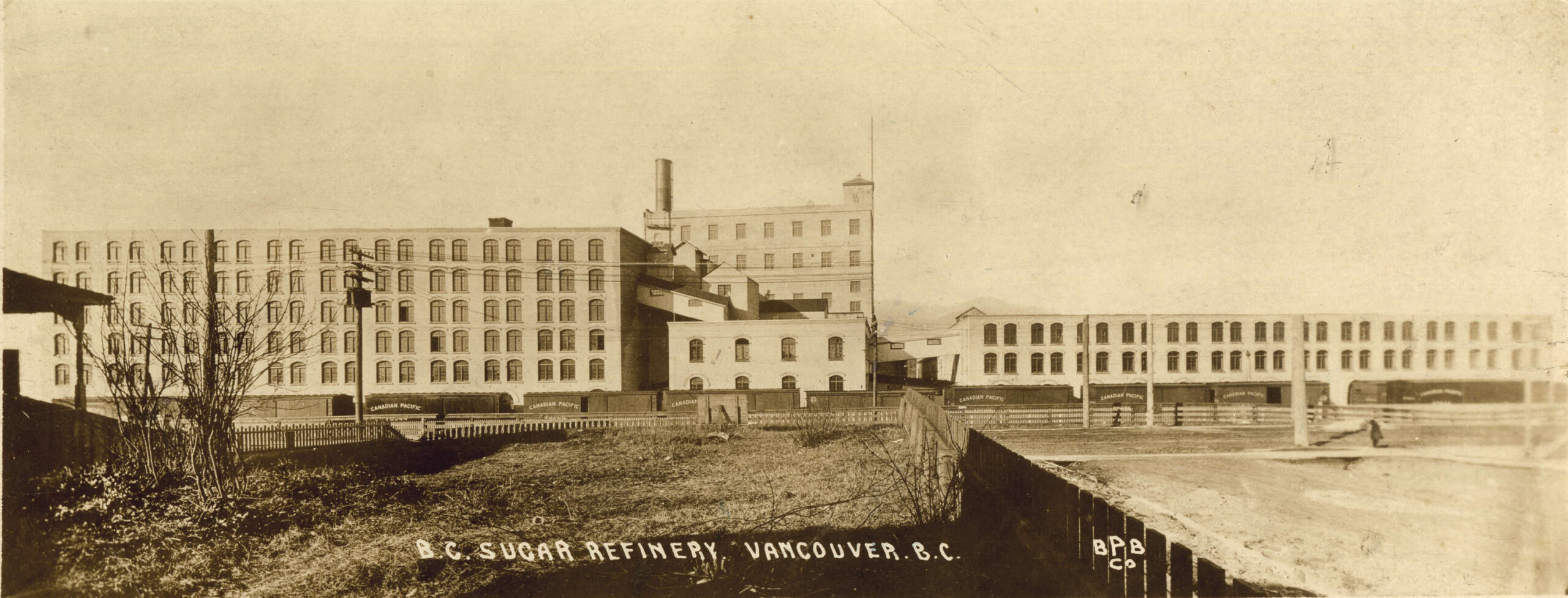
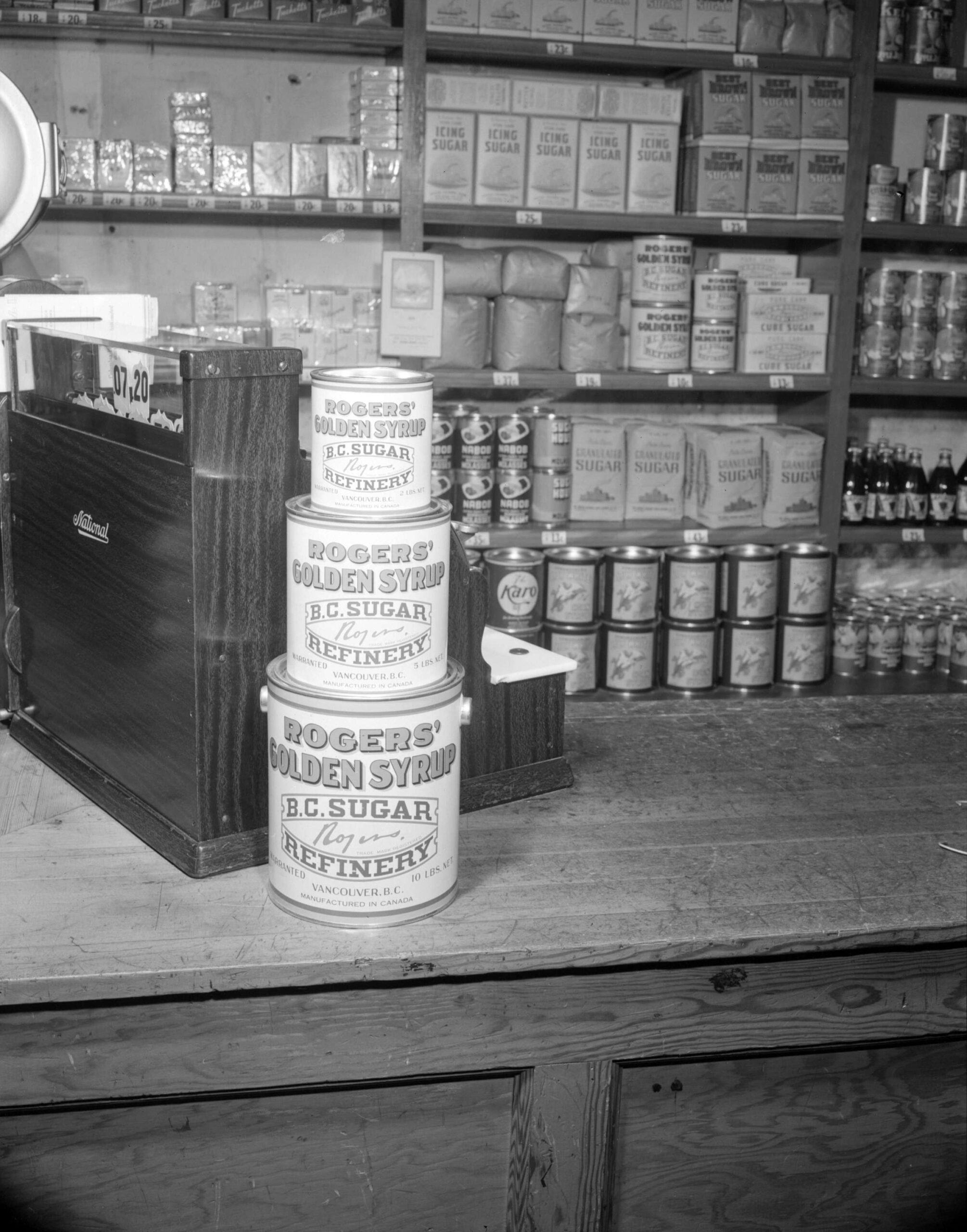
Let’s move forward to the mid-twentieth century for our next culinary offerings, these from the British Columbia Sugar Refining Company, Ltd. fonds. Founded in 1890 by B.T. Rogers, the B.C. Sugar Refining Company was closely tied to Vancouver’s waterfront, which served as its principal site from the company’s earliest years. The fonds contains a wide range of records documenting the operations and activities of B.C. Sugar, its holding company, and various subsidiaries. Among these materials is a small but compelling collection of recipe books.
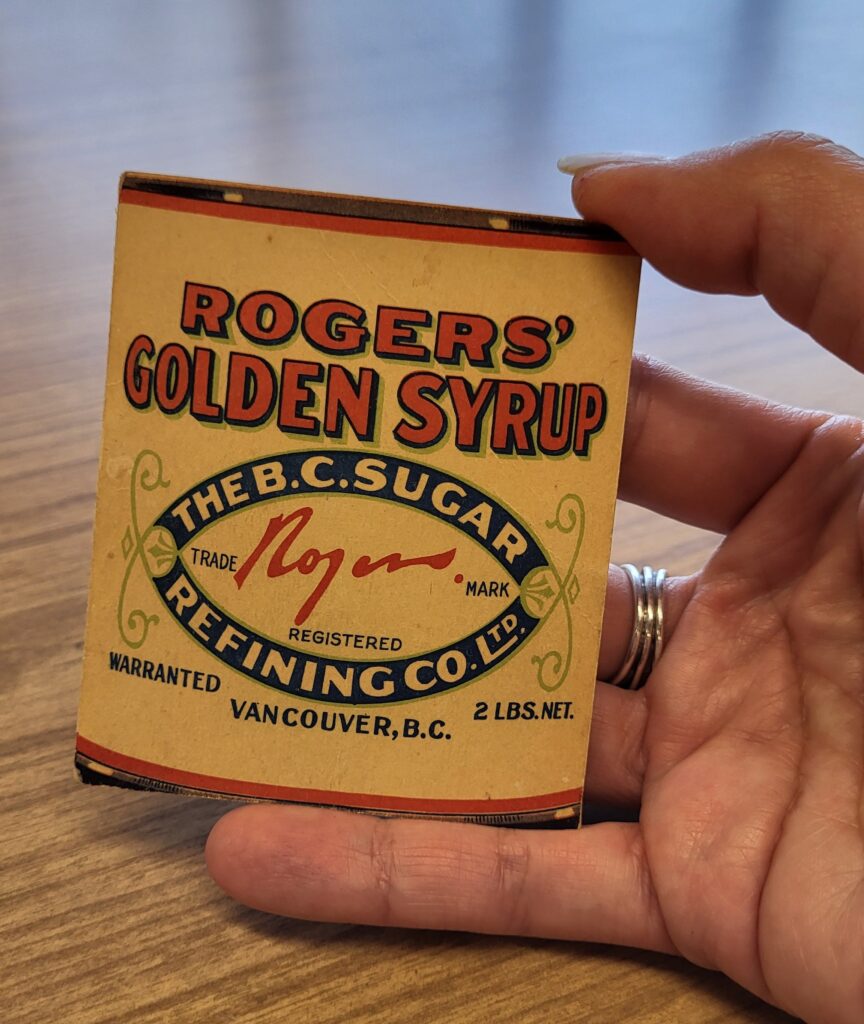
These recipe books were likely produced as promotional materials, illustrating the many ways Rogers Golden Syrup could be incorporated into everyday cooking and baking. One example is scarcely larger than a matchbook, measuring just 6.5 by 8 centimetres and is cleverly printed to resemble a can of Rogers Golden Syrup. Despite its modest size, the booklet features more than twenty recipes, ranging from chocolate pudding to cornbread. These miniature cookbooks were likely distributed free of charge through local grocery stores, mail-in promotions and public events such as the Pacific National Exhibition, where they may have been offered at a Rogers Sugar exhibition booth.
The first recipe that I chose to explore from this folder was Devil’s Food Cake, a selection that immediately captured my attention due to its unconventional use of ingredients. Chief among them was one cup of hot mashed potatoes, a surprise inclusion in a chocolate cake. Having never encountered mashed potatoes in a dessert recipe before, let along one so rich and indulgent, I was compelled to investigate further. The recipe itself is notably concise, offering minimal instruction and reflecting an earlier approach to home baking. Rather than specifying a precise oven temperature, it simply calls for a “moderate” oven, a detail that stands in stark contrast to the exact measurements and temperatures common in contemporary recipes. This ambiguity, combined with the unexpected ingredients, heightened my curiosity and left me eager to discover how the cake would ultimately turn out.
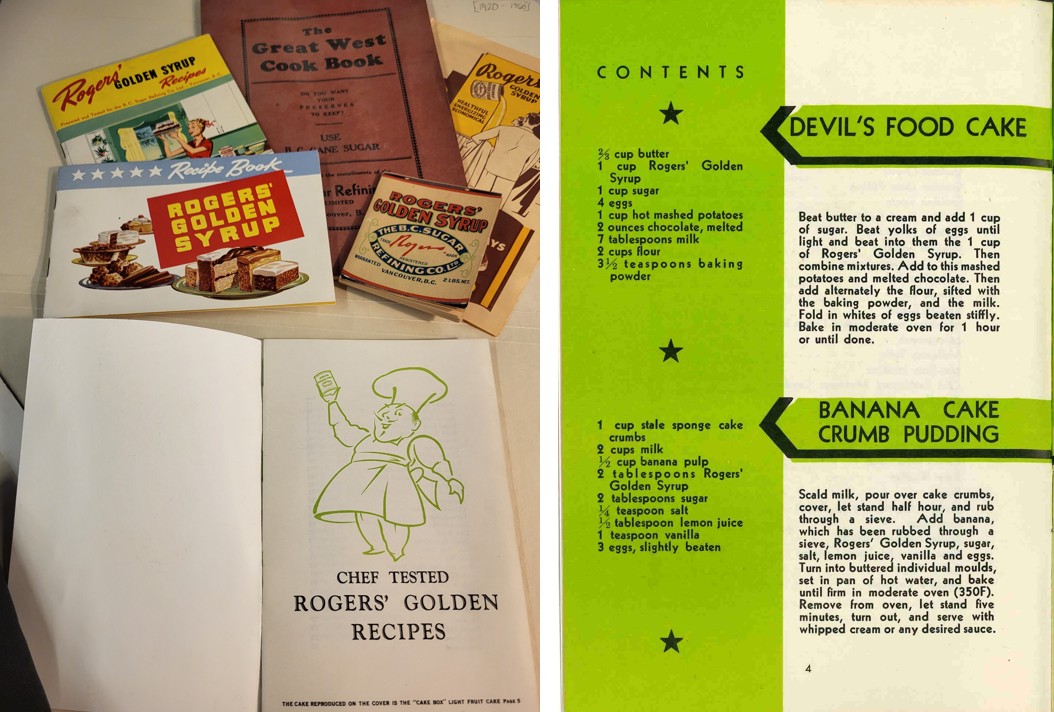
Annotated recipe
2/3 cup butter
1 cup Rogers’ Golden Syrup
4 eggs
1 cup hot mashed potatoes
2 ounces chocolate, melted
7 tablespoons milk
2 cups flour
3 ½ teaspoons baking powder
Beat butter to a cream and add 1 cup of sugar.
Beat yolks of eggs until light and beat into them 1 cup of Rogers’ Golden Syrup.
Then combine mixtures.
Add to the mashed potatoes and melted chocolate.
Then add alternately the flour, sifted with the baking powder, and the milk.
Fold in whites of eggs beaten stiffly. Bake in a moderate oven for 1 hour or until done. [my best guess 350°F (177°C)]
Here’s a video of the whole process!
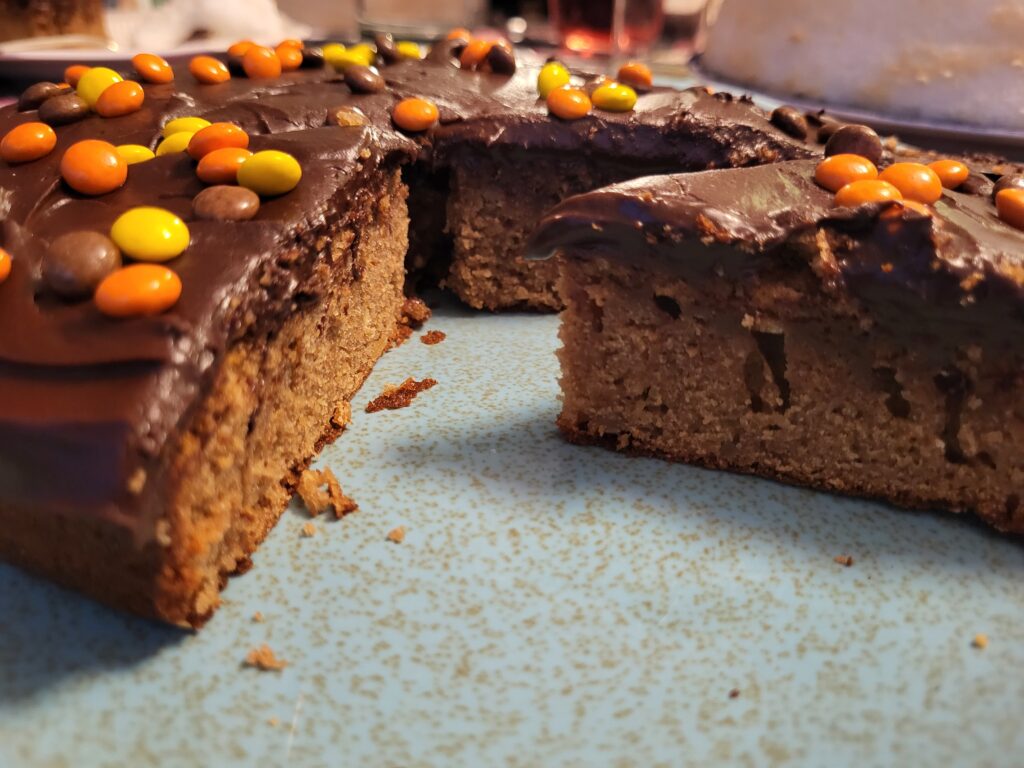
I would happily make this cake again, though I would be inclined to increase the chocolate element next time. Adding a few tablespoons of cocoa powder would likely deepen and enhance the overall chocolate flavour. The recipe book does not specify an exact publication date, which makes me wonder whether the modest amount of chocolate originally called for reflects a period of war rationing or limited access to ingredients. To elevate this particular experiment, I finished the cake with a rich chocolate ganache icing and a scattering of modern sprinkles, adding both visual interest and a contemporary contrast to the historic recipe. My parents and coworkers were the taste testers and happily dove into the treat. High marks were given all around.
On to Expo!
Let’s jump forward in time even more. The year is 1986, acid wash jeans and stacked polo shirts are all the rage, Corey Hart is telling us to never surrender and Vancouver is celebrating its centennial by welcoming the world to Expo ’86. Susan Mendelson of the Lazy Gourmet has created The Official Cookbook of Expo ’86. The book is filled with glossy photographs of decadent culinary offerings such as “Lazy Gourmet Deep-Dish Spinach and Feta Pie,” “Spectacular Decorated Baked Salmon,” and “West Coast Paella.”
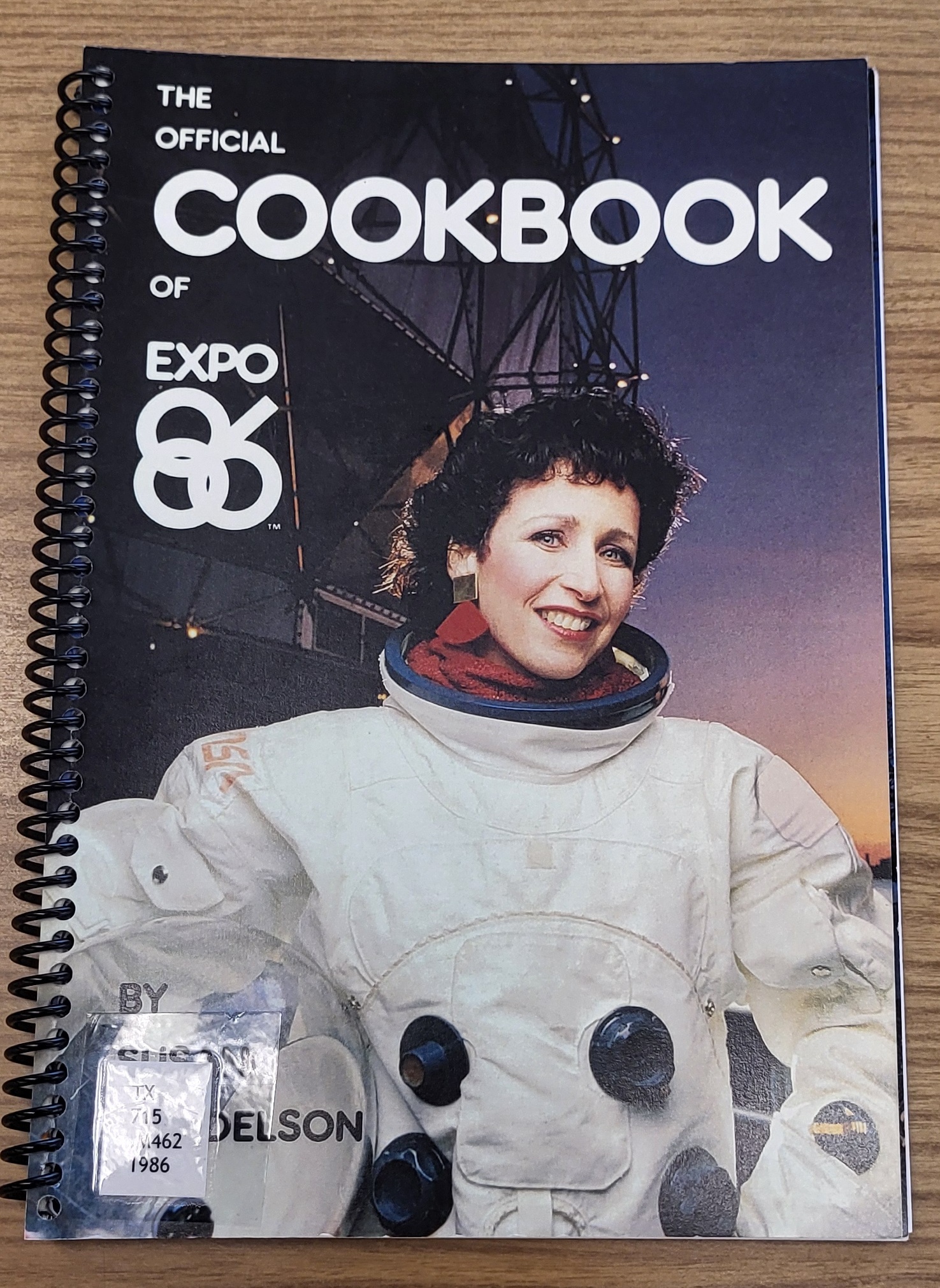
For my recipe test, I selected “Grandma Faye’s Sticky Apricot Chicken.” I’ve never cooked with apricots before, and the ingredient list, featuring mouthwatering flavours like chili sauce, fresh ginger and white wine, immediately captured my curiosity. So, I have set the radio dial to LG73, I am pulling on my legwarmers and my Esprit tee; join me as I head into the kitchen.
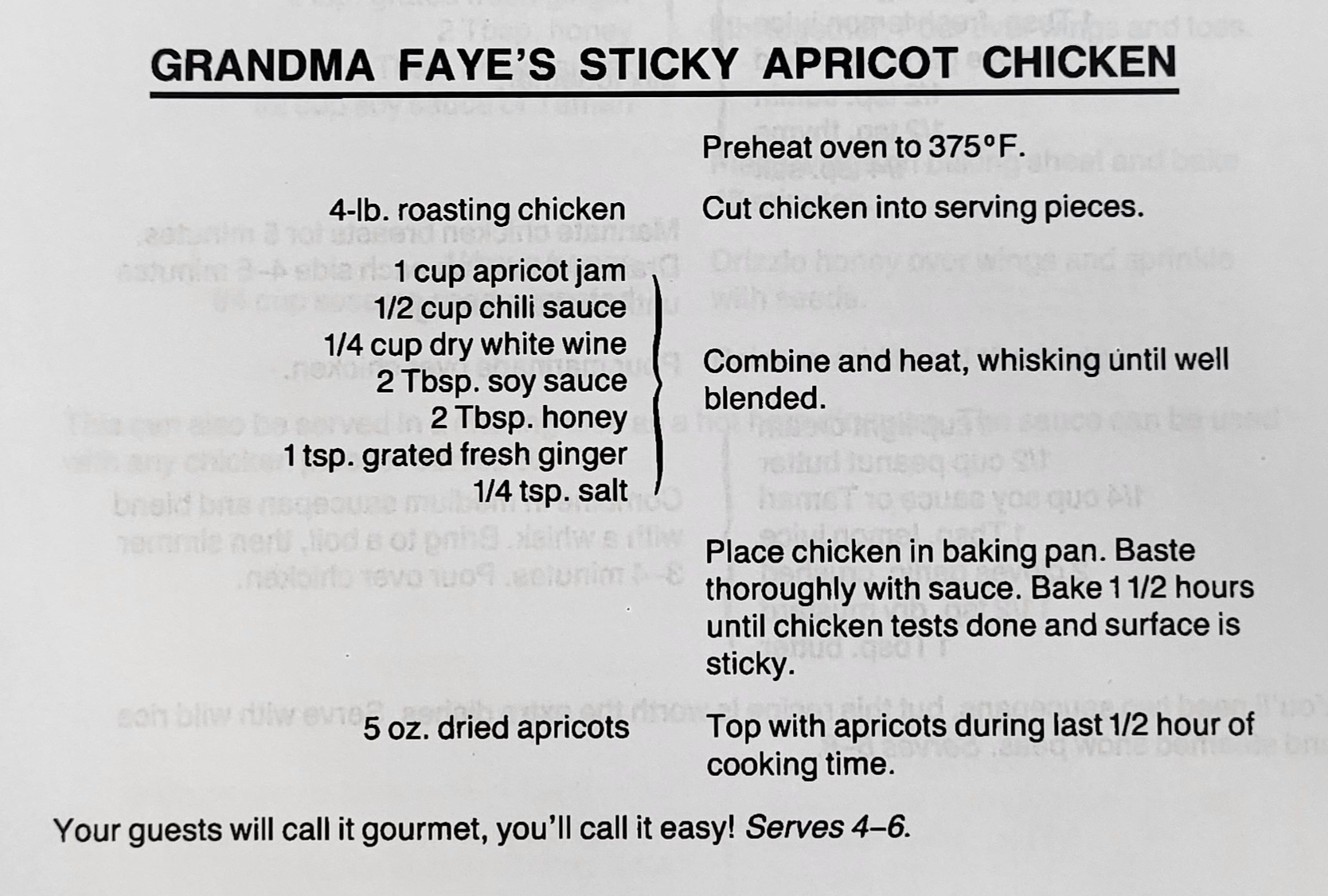
Annotated recipe
Preheat oven to 375°F
4 lb roasting chicken [or thighs] cut into serving pieces
1 cup apricot jam
½ cup chili sauce
¼ cup dry white wine
2 Tbsp soy sauce [or gluten free option]
2 Tbsp honey
1 tsp grated fresh ginger [I used 2 tsp]
¼ tsp salt
5 oz. dried apricots
Combine and heat all but the chicken in a saucepan, whisking until well blended.
Place chicken in baking pan. Baste thoroughly with sauce. Bake 1 ½ hours until chicken tests done and surface is sticky. Top with apricots during the last ½ hour of cooking time.
This recipe came together almost as quickly as my L’Oreal Sea Violette nail polish (for those who enjoy a 1980s reference) could dry. You may notice that I made small substitution, I used chicken thighs instead of the roasting chicken. The dish was still delicious.
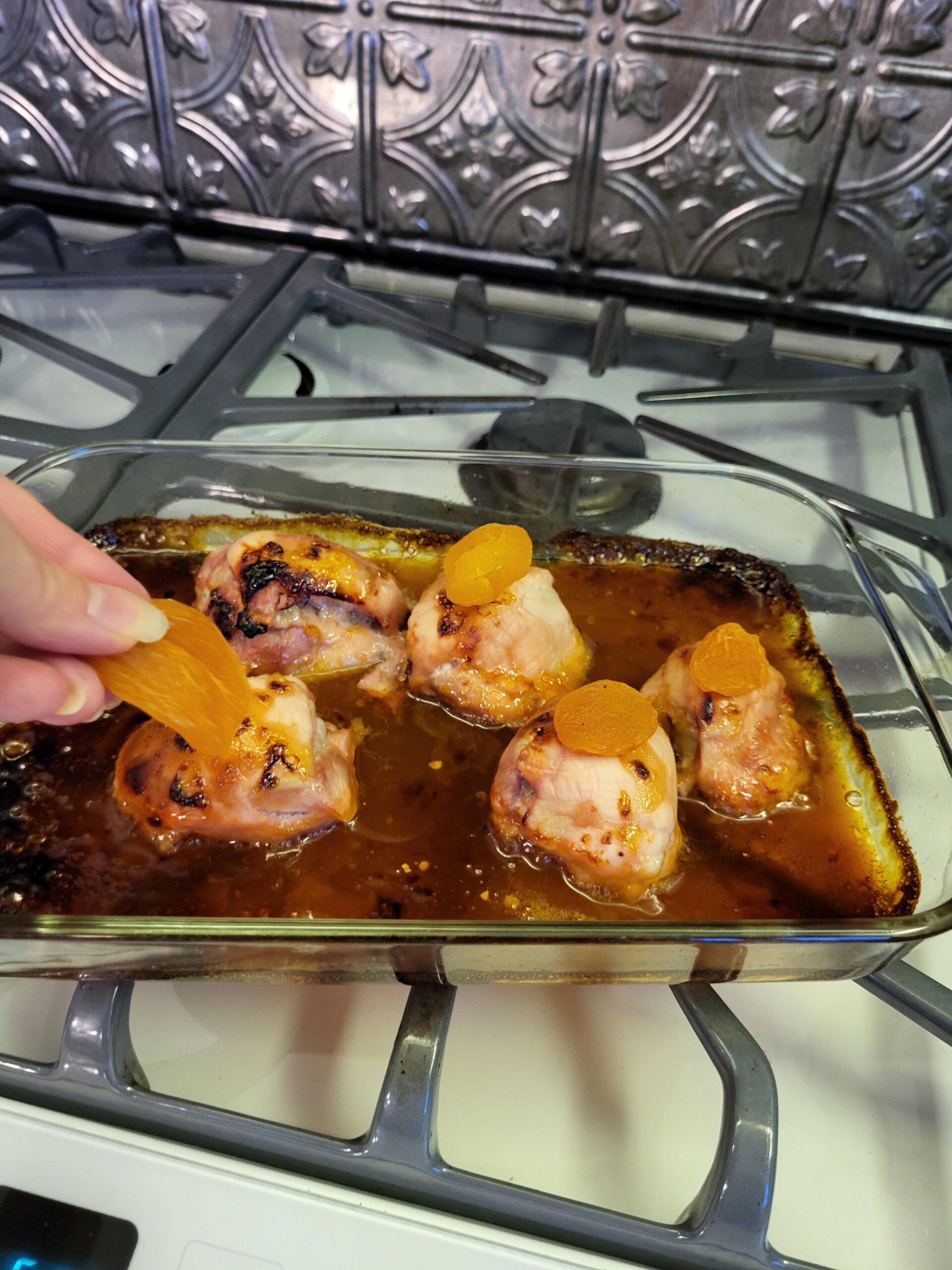
And here’s the video of the whole process!
This book immediately brought back memories of wandering the grounds of Expo ’86, visiting pavilions and collecting passport stamps alongside my parents. For those hoping to unlock event more nostalgia, the cookbook includes a section titled “Restaurant Favourites,” featuring recipes from beloved local establishments. Highlights include California rolls from Koko Japanese Restaurant, Grandview Restaurant’s beef with tangerine peel, Las Margaritas’ chimichanga del Mar, the English Bay Café’s double-fudge chocolate cake, and Tony Roma’s honey garlic ribs, to name a few.
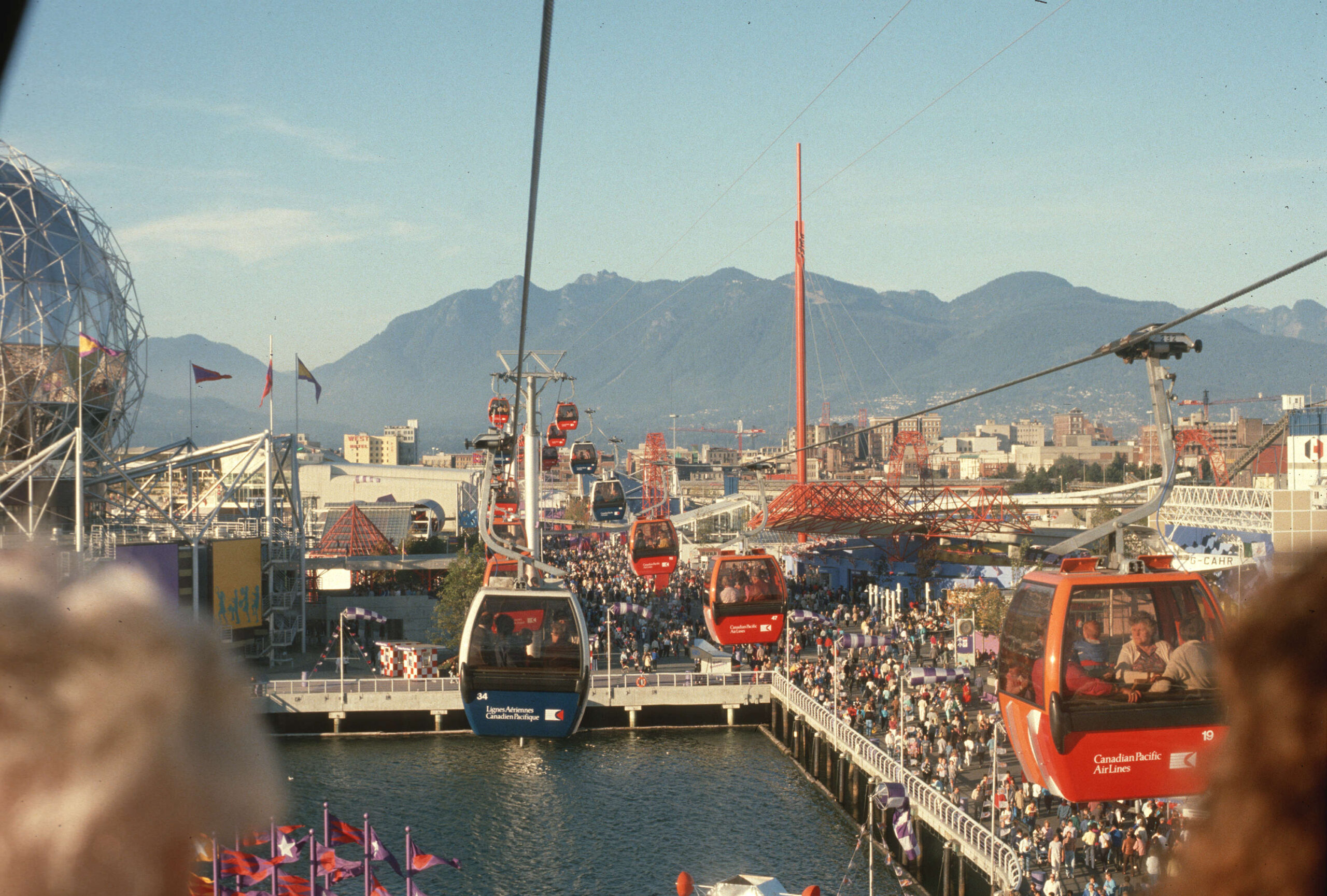
I will certainly be returning to this cookbook, as I found the recipe both approachable and enjoyable to make. It is far from the only Vancouver inspired cookbook or recipe housed in the Archives’ library stacks or preserved within our holdings. Together, these publications stand as a testament to the remarkable breadth and diversity of materials within the Archives’ vault.

I would like to end my post with a quote from the introduction of this book, “With these recipes – some of our best – we invite the world to share our cuisine. We hope that when you eat our food in your part of the world, you will remember Vancouver with special affection!” – Susan Mendelson, 1986.