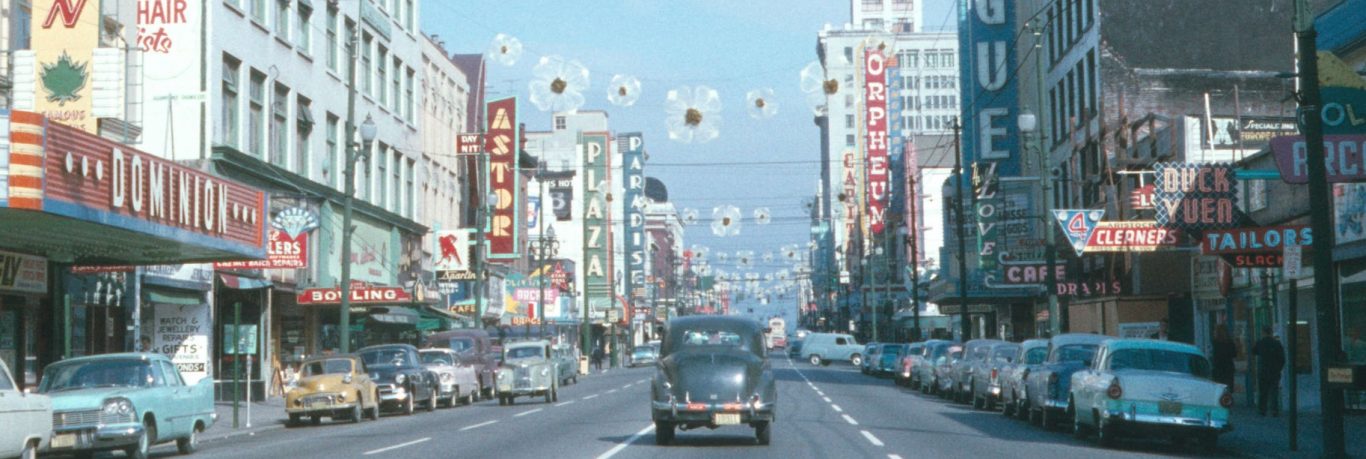
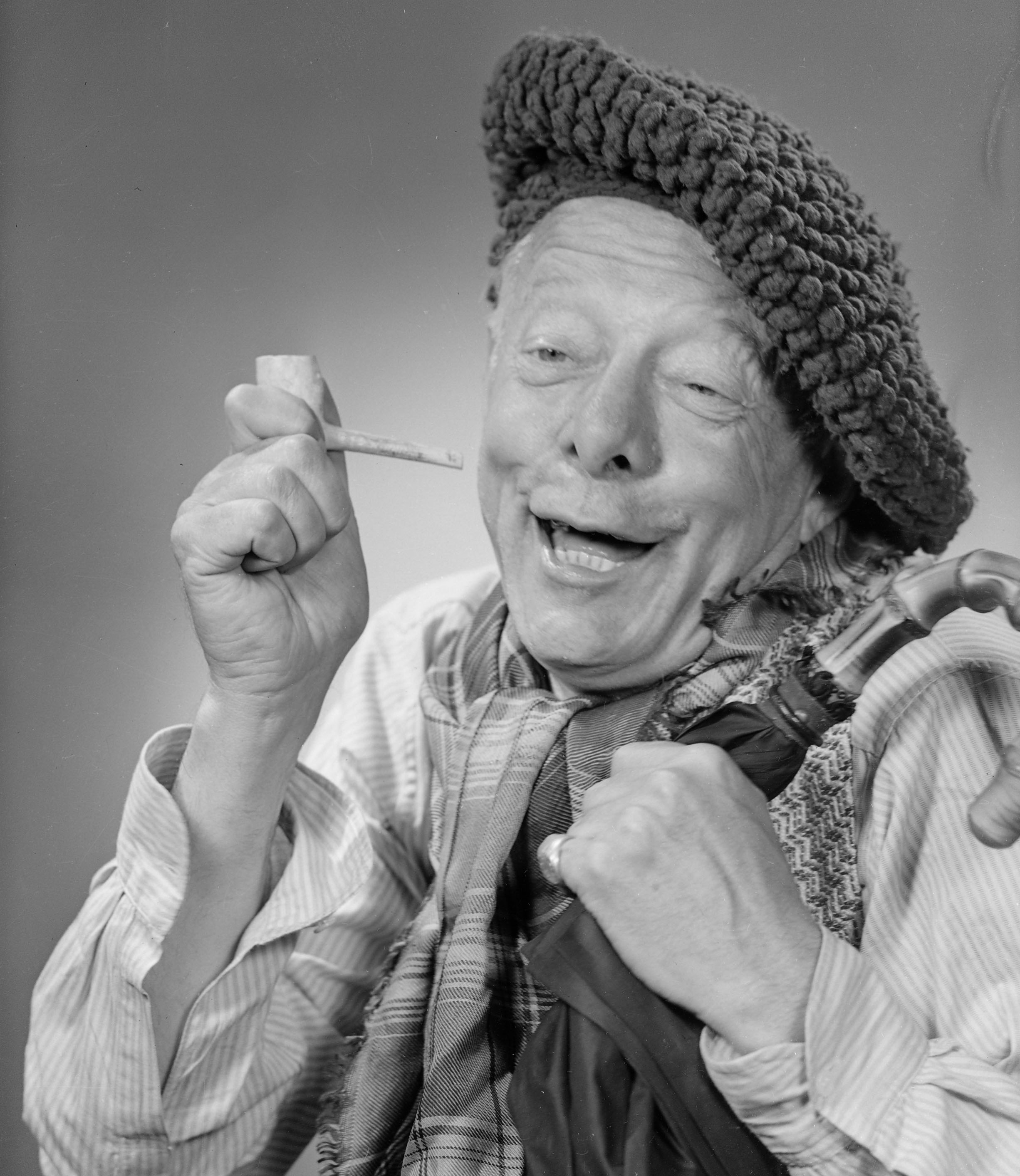
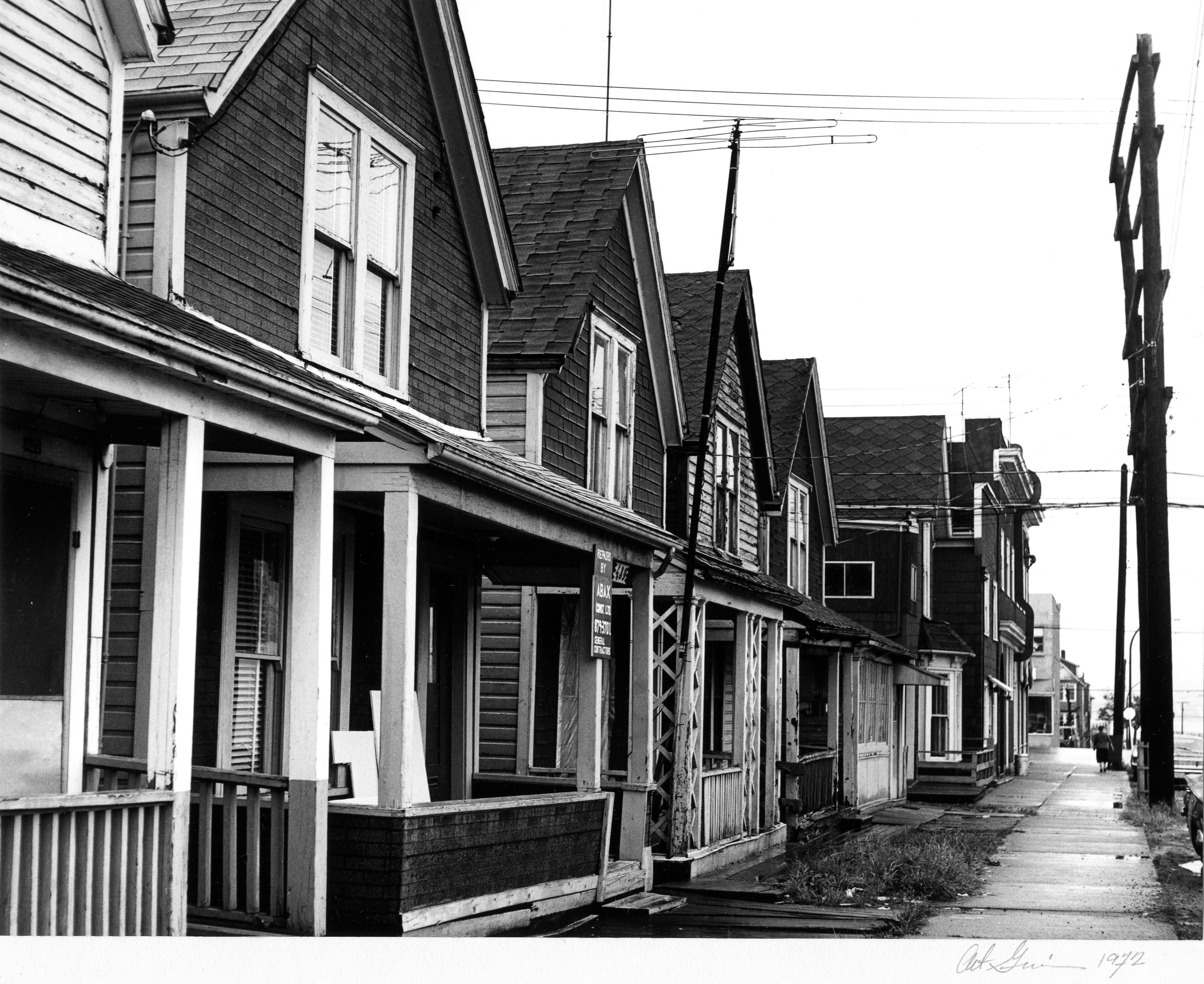
Earlier this year, Harry Swain of Victoria donated a photograph to us and it caused great excitement. Here it is:
When we first told you about our new search system, we said that it was on a rapid development cycle and that there would be improvements. We’re pleased to tell you about one upgrade that gives you on-site access to thousands more digital objects and another that makes it easier to do research at home. Developed for us by Artefactual Systems, these open source enhancements could be adapted by other institutions using the same database software.
Until now, digital objects that were under the copyright of a 3rd party (other than City of Vancouver’s copyright) could only be viewed online as a tiny thumbnail. Now they can be viewed in full resolution in our Reading Room through our online search. This works on your laptop in the Reading Room (using our wifi) as well as at our public computers. Continue reading
It appears that people have always taken photos of their cats to share; it’s not just a Web obsession. Here are a few that made their way into the Archives–feel free to download the images and superimpose your own captions.
This is a formal studio portrait of a three-year-old boy. Perhaps the cat helped to calm him and keep him still, although at this early date the child might have been tied to the chair or held in a clamp.
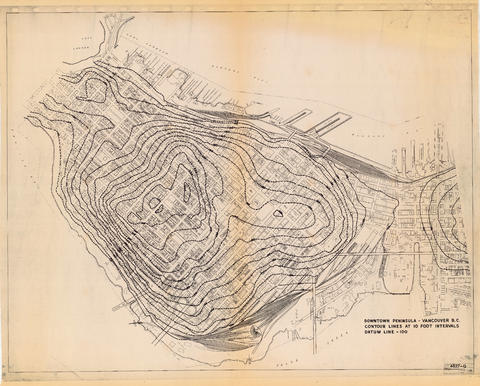
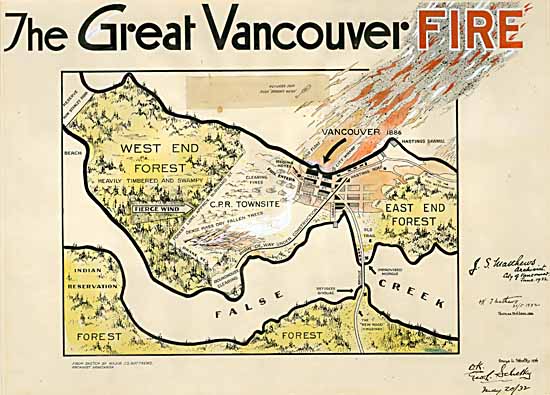
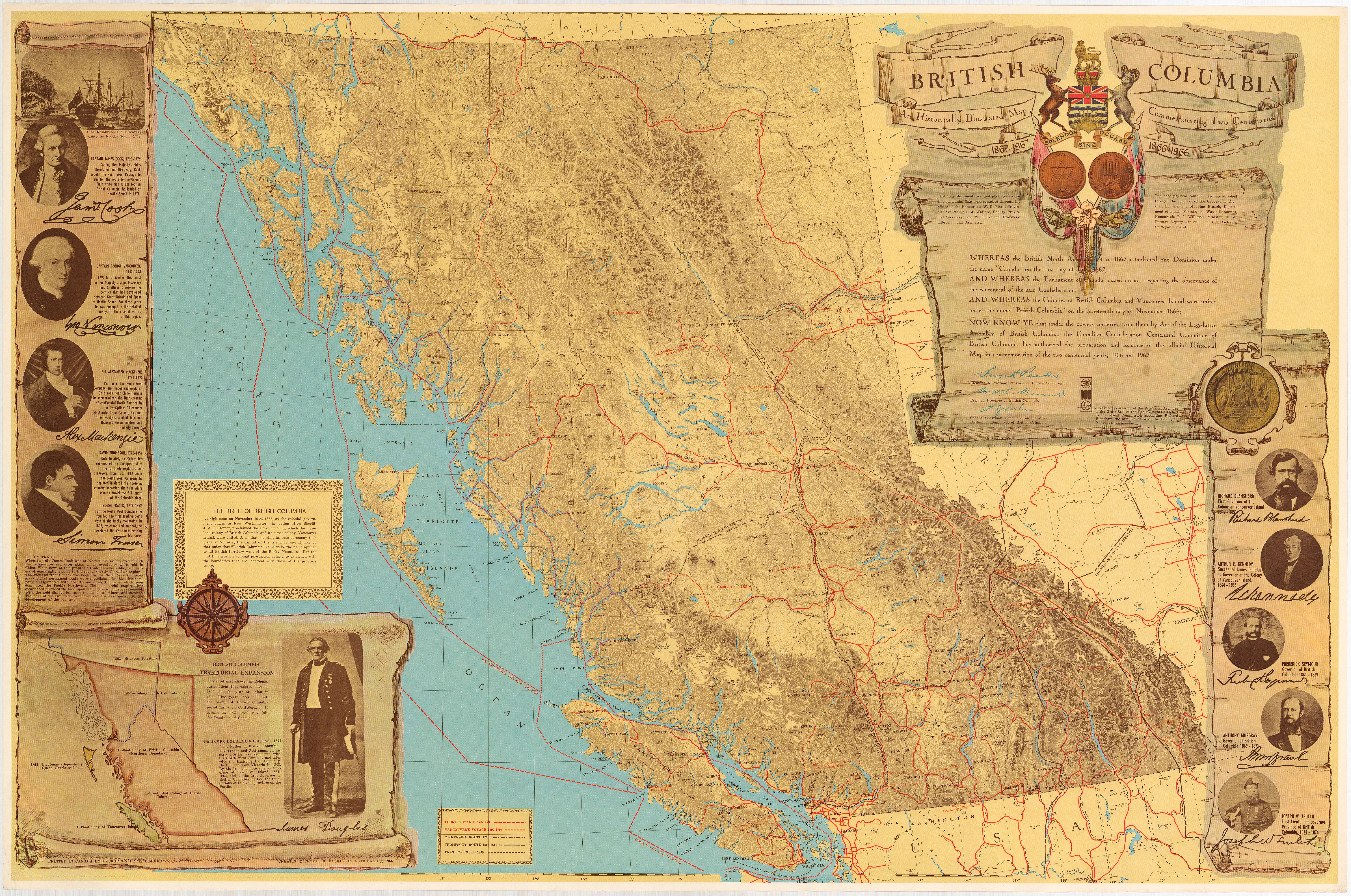
Thanks to funding from the British Columbia History Digitization Program, we’ve completed a project to digitize 512 maps and plans in our holdings. Here are some highlights from the project. We’ve provided links to descriptions in our database so you can click through to the full-resolution versions of the maps if you’d like to examine them in detail. Here’s the link for the map below.
The project makes these maps available to everyone quickly online, and makes them easy to re-use. It reduces damage to the oversized originals due to handling, as they no longer have to be retrieved from storage. Very light-sensitive materials, like blueprints, may be kept in the dark so they don’t fade. Continue reading
January 26 is Australia Day, Australia’s national day. We have records that show some of Vancouver’s interactions with Australia and Australians. Here are a few examples.
The Young Australia League is a youth organization founded in 1905 that promotes “education through travel”, among other activities. They stopped in Vancouver during their 1929 overseas tour, along with a burro they picked up in their travels.

Members of the Young Australia League with burro, May 1929. Stuart Thomson, photographer. Reference code AM1535-: CVA 99-2027
In early December, I attended the annual conference of the Association of Moving Image Archivists (AMIA) in Seattle. Here are a few of the highlights.

The Cinerama has been restored to its 1963 space-age look. A showing of “Hendrix 70: Live at Woodstock” was a highlight outside of the conference program. Photograph: Sue Bigelow
The Association of Moving Image Archivists (AMIA) is a professional association for those involved in the preservation and access of moving image heritage. Members come from all over the world to attend the conference.
There was an excellent workshop on uses of ffmpeg for archivists. Ffmpeg is open source, free software for working with multimedia files. One of the advantages for archives is that ffmpeg is always adding the capability of working with new types of files, but not getting rid of any old functionality. This means that if archivists encounter an outdated type of file, ffmpeg may be able to work with it. Ffmpeg software can analyze a file and report on all the different kinds of data inside. We store the original files in our digital archives but we also create another version using ffmpeg that can be viewed on a modern computer. Continue reading
The Archives will be closed from noon Monday December 24 to 9am Tuesday January 2.
See you in the new year!
Posted in General
We’ve put images of our entire collection of lantern-slide snipes on flickr. They were collected by Major Matthews, the first City Archivist.

“The rebel maid” Montague F. Phillips will be presented by The Vancouver Opera Society under the direction of Jas. C. Welch, 1923, Reference code AM54-S4-: CVA 371-2806
“Snipes” refers to anything, other than trailers or features, shown in a movie theatre. Digitized versions of these glass snipes were shown before the program at our recent Vintage Vancouver screening at the Vancity Theatre.

We are conforming to all the laws and therefore should be patronized, ~1920, Reference code AM54-S4-: CVA 371-2793
Please take a look and feel free to use them in your own shows.
Posted in Holdings

29th Battalion Canadian Expeditionary Force training at Hastings Park, 1914. Stuart Thomson photo. Reference code AM1535-: CVA 99-155
Did you enjoy the recent Khatsahlano Music and Arts Festival and want to know more about the origin of the name? Conversations with Khahtsahlano 1932-1954 is now online at the Internet Archive.
We uploaded it a while ago but there was a glitch that sent it to our film collection. That’s been fixed, and it’s now available in several text formats and in the online reader.
Published in 1955, it contains transcriptions of conversations between Vancouver’s first City Archivist, Major J.S. Matthews, and August Jack Khahtsahlano, a Squamish chief born in 1877 near the site of the Burrard Bridge. Over the course of 22 years Chief Khahtsahlano recounted details of his family and their lives as well as stories about local events. Matthews in turn transcribed the visits and augmented them with maps, drawings and photographs.
Posted in Digitization, Holdings
Tagged digitization, Internet Archive, Khahtsahlano, Major Matthews